New Patient Special at $89 – Click here to learn more

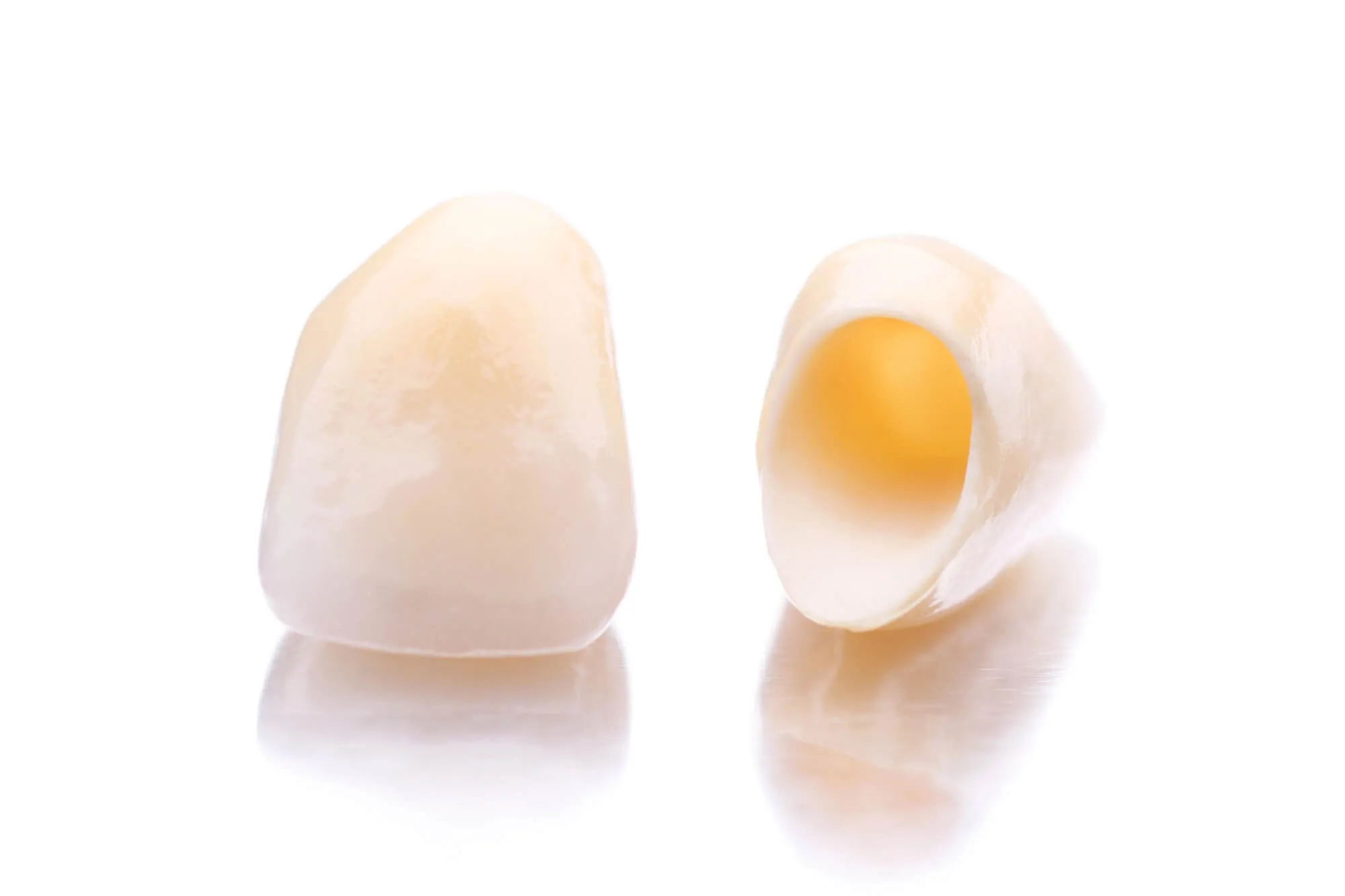
Your tooth has been filled before, and now your dentist says another filling may not hold up. Or maybe a molar twinges every time you bite down. It's natural to wonder why a filling won't work this time and what a crown means for your tooth. Fillings handle small to moderate damage well, but some teeth need more support.
Knowing the signs helps you see when porcelain crowns make sense and what dental crowns in Collegeville can do for a weakened tooth.

A filling replaces a small section of a tooth, and the healthy walls around it hold it in place. When decay or damage occupies a large part of the tooth, the walls become thin and are more likely to break under chewing pressure. A crown covers the entire tooth to restore its shape, size, and strength.
Your dentist makes the final call, but these situations often point toward a crown:
In each case, a crown can strengthen a weak tooth by holding it together from the outside.
Each time a filling is replaced, a little more natural tooth is removed. Over time, a tooth can end up with more filling material than enamel. Cracks around the edges, dark lines, and new sensitivity are signs your restoration may need replacement. At that stage, a crown often protects the tooth better than another large filling.
Chewing ice or hard candy, grinding your teeth, and having large existing fillings can all increase the risk of cracks. They don't always show on the surface. You might notice pain when chewing or sensitivity to hot and cold that comes and goes. A crown helps prevent the crack from spreading, though it can't make it disappear.
Sometimes a tooth needs more than a filling but not a full crown. Inlays and onlays are custom restorations that cover part of the tooth, including one or more chewing cusps, while preserving more of the natural structure than a crown.
For smaller areas of decay, tooth-colored composite fillings are usually enough. Your dentist will recommend the option that fits how much healthy tooth remains.
The area is numbed before your tooth is prepared, so you should feel pressure rather than pain.
Porcelain closely resembles the color and texture of natural teeth, which makes it a popular choice for crowns.
Yes. Crowns can also restore teeth that are discolored or misshapen, not only those that are damaged.
Usually two. At the first visit, the tooth is prepared and fitted with a temporary crown. At the second appointment, the permanent crown is placed and adjusted to fit your bite.

A filling is often the simplest fix, but a tooth with extensive damage needs the full coverage a crown provides. Spotting the signs early helps you keep more of your natural tooth.
At Collegeville Dental Center, Dr. Tamara Volkova focuses on creating healthy, beautiful smiles through attentive care and clear communication. She'll explain what your tooth needs, answer your questions, and help you choose a restoration that supports your long-term oral health. Contact Collegeville Dental Center to schedule your visit.