New Patient Special at $89 – Click here to learn more


Choosing a dental implant involves more than planning the placement appointment. You may also wonder how long the area will take to heal, when you can eat normally, and what might delay the process. For patients considering dental implants in Collegeville, healing depends on several factors rather than one standard timeline. Your jawbone, gum health, medical history, daily habits, and aftercare can all influence recovery.
Knowing what dentists monitor can help you prepare for each stage of the process.

A dental implant is a titanium post placed within the jawbone. After placement, the surrounding bone gradually forms a close connection with the implant surface. Dentists call this process osseointegration.
Osseointegration creates the stable foundation needed to support a dental crown, bridge, or denture. It may take several months. The dentist monitors the implant during follow-up visits before deciding when it is ready to support a restoration.
A dental implant needs enough healthy bone for stability. Bone volume and density can vary between the upper and lower jaws and from one area of the mouth to another. The jawbone around a missing tooth may also shrink over time.
Dental X-rays and impressions help the dentist evaluate the available bone and space before implant placement. Some patients may need bone grafting to build additional support. A graft may extend the overall timeline because the area needs time to heal before it can support an implant.
Healthy gums help protect the tissues surrounding an implant. Gum disease, inflammation, and heavy plaque buildup can increase the risk of infection and interfere with healing.
Your dental team will explain how to clean the area without disturbing the surgical site. As healing progresses, daily brushing, flossing, and professional cleanings help maintain the gums and bone around the implant.
Smoking can reduce blood flow to oral tissues and affect the body’s healing response. Studies have also associated smoking with a greater risk of dental implant failure.
Tell your dentist if you smoke or use another tobacco product. This information allows the dental team to explain how tobacco use may affect your candidacy, recovery, and long-term implant health.
Conditions that affect circulation, immunity, or bone metabolism may influence healing. Diabetes is one example, particularly when blood sugar is poorly controlled, although diabetes alone does not automatically exclude someone from implant care.
Having a medical condition does not automatically rule out dental implants. Your dentist will review your health history and medication list. They may communicate with your physician when more information is needed. Do not change a prescribed medication without speaking with the clinician who prescribed it.
An implant needs stability while the surrounding bone integrates. Excess pressure from chewing, teeth grinding, or an ill-fitting temporary restoration may disturb the area.
Your dentist may recommend softer foods during early recovery and ask you to avoid chewing over the surgical site. If you grind or clench your teeth, tell the dental team so they can consider this during planning and follow-up care.
The instructions provided after implant placement support the body’s natural healing process. These may include guidance about oral hygiene, food choices, physical activity, and managing temporary swelling or discomfort.
Attend every scheduled follow-up visit, even if the area feels comfortable. These appointments allow the dentist to check tissue healing, implant stability, and signs that may need attention.
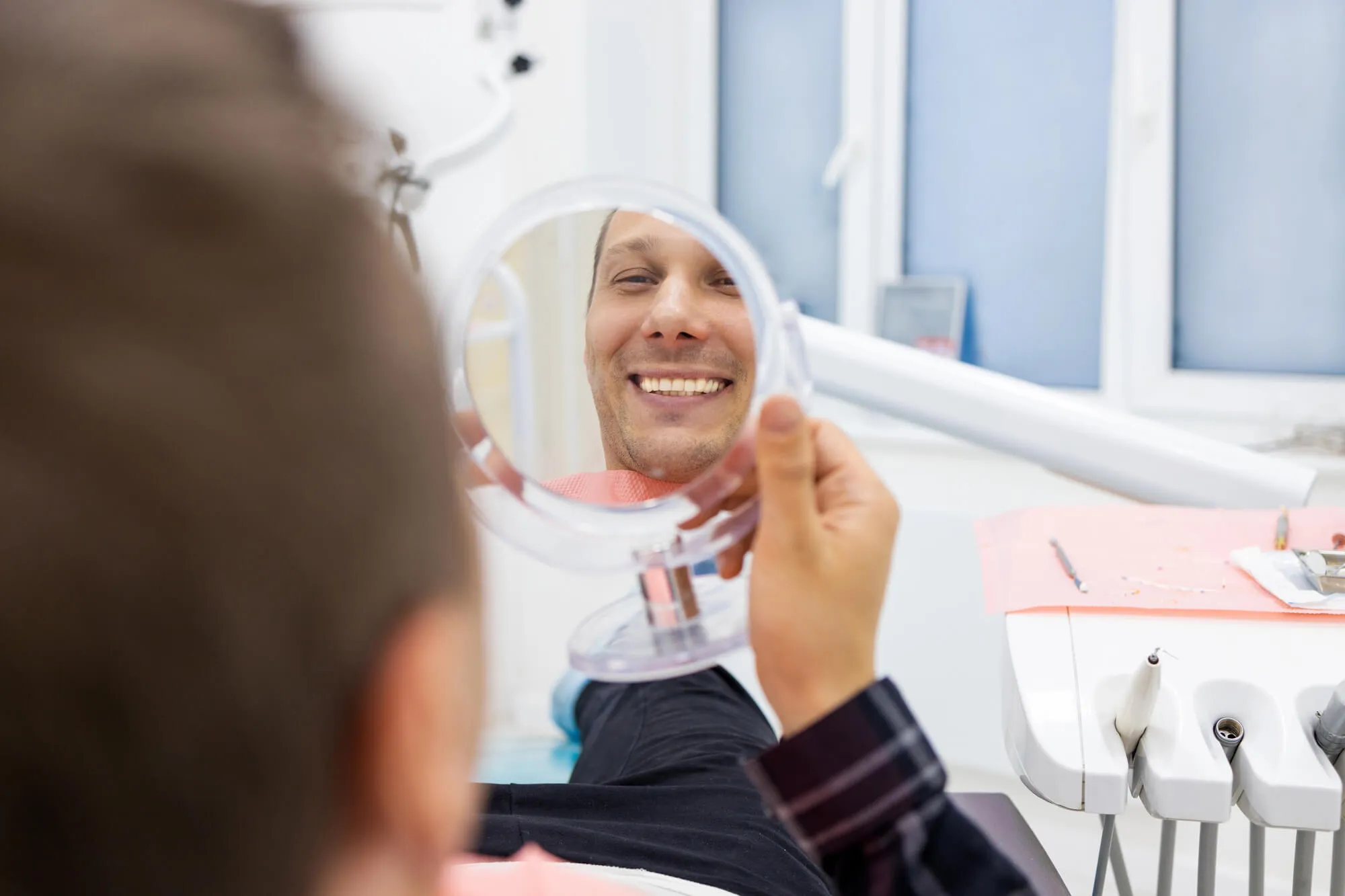
Dental implant healing depends on thoughtful planning, careful placement, and consistent care after the procedure. Your dentist can explain how your oral health, medical history, and daily habits may shape your expected timeline.
Collegeville Dental Center provides implant placement in a comfortable, welcoming setting. Led by Dr. Tamara Volkova, the team focuses on attentive care, clear communication, and long-term oral health. Contact the office to schedule an implant evaluation and discuss what you may expect before, during, and after placement.