New Patient Special at $89 – Click here to learn more

Discoloration, uneven edges, and misshapen teeth can leave you feeling dissatisfied with your smile. That frustration may lead you to consider LUMINEERS® in Collegeville, especially if you prefer an ultra-thin porcelain option. Before moving forward, you may wonder how long they can remain attractive and secure. LUMINEERS® can last for many years, but their longevity depends on the quality of the bond, your bite, oral hygiene, daily habits, and regular dental care.
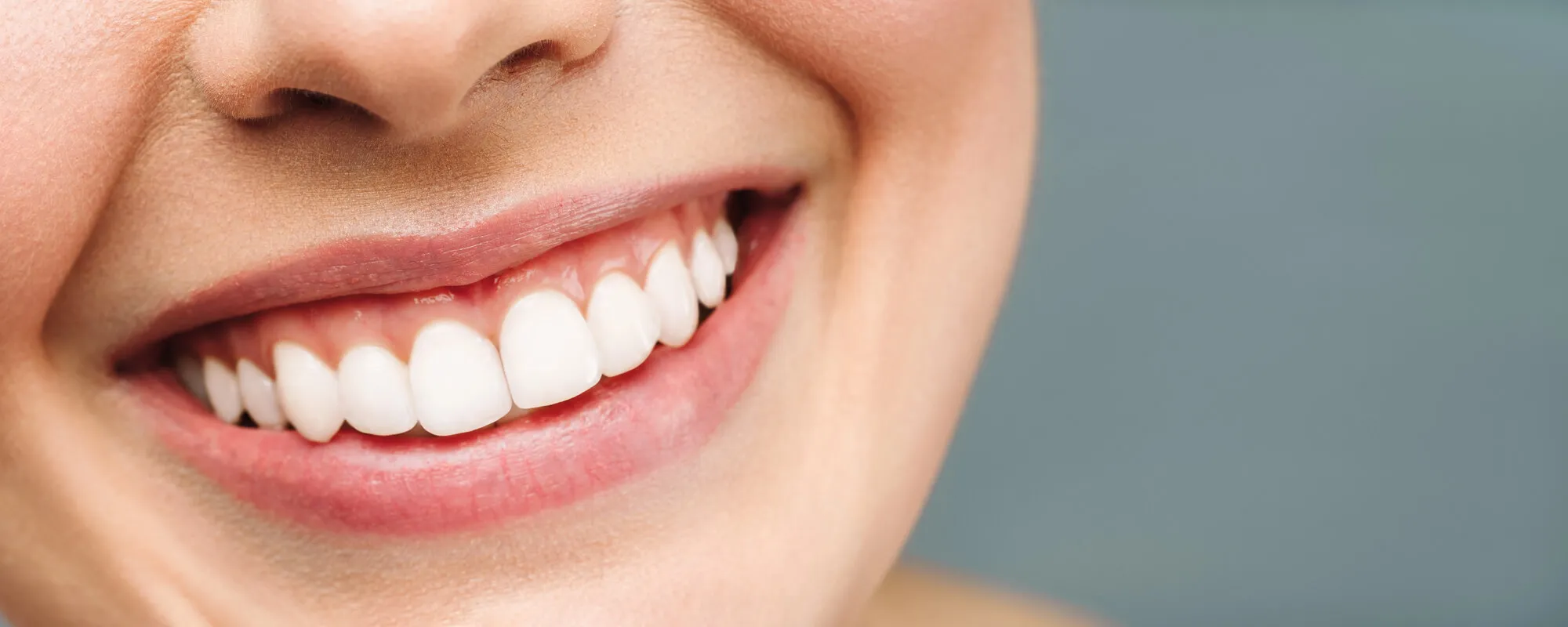
LUMINEERS® are ultra-thin veneers made from Cerinate® porcelain and bonded to the front surfaces of teeth. Some LUMINEERS® may remain in place for more than 20 years, but there is no exact lifespan for every patient.
Research on porcelain laminate veneers generally has reported high survival rates at 10 years, with some studies following restorations for up to 20 years. These findings do not predict exactly how long a particular LUMINEERS® restoration will last. Longevity varies depending on the material, bonding, bite forces, oral health, and care habits.
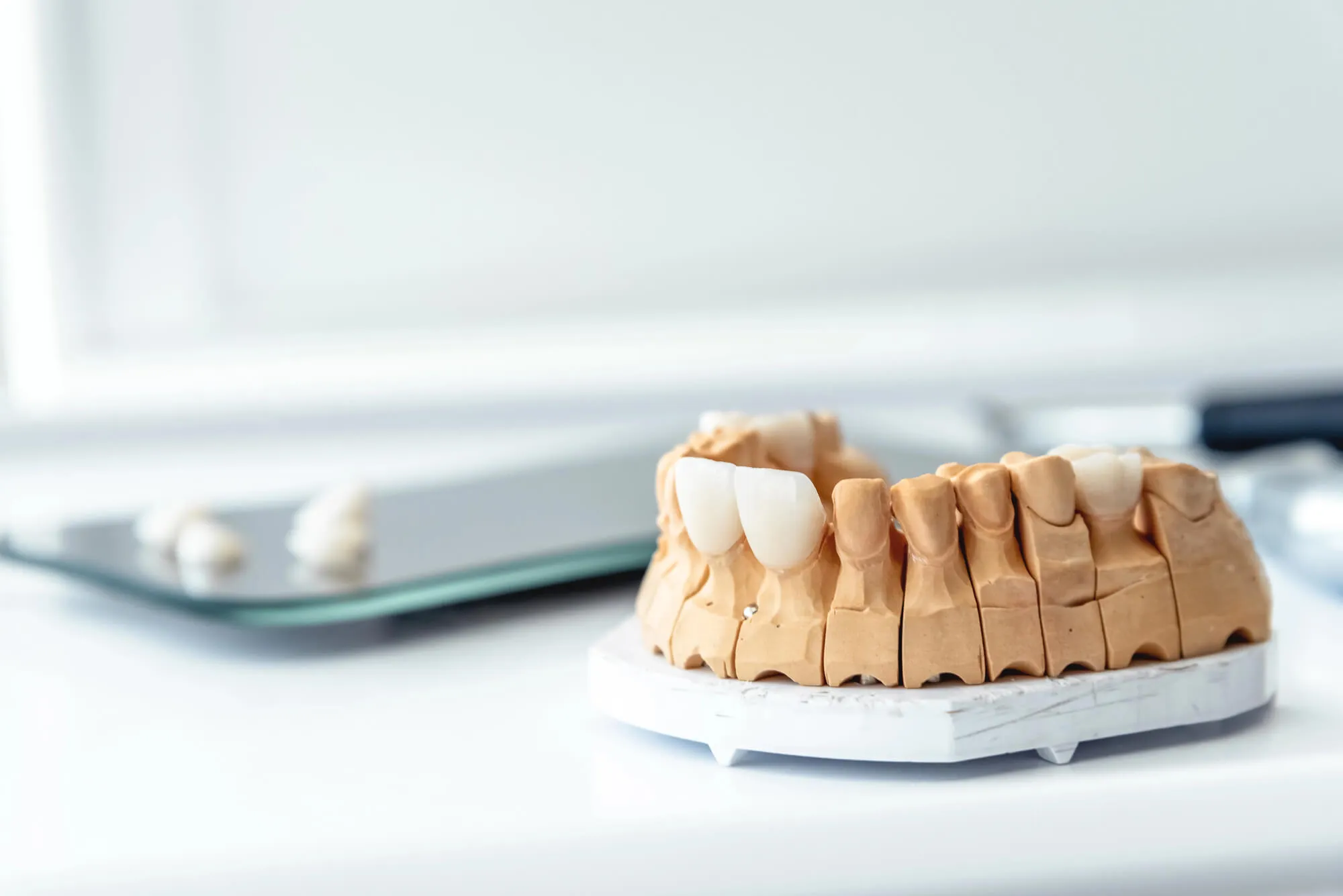
A veneer needs a precise fit and secure bond to remain stable. The dentist evaluates the teeth, bite, and available space before placement. Impressions help the laboratory create each porcelain shell.
Contact your dentist if you notice movement, a rough edge, a dark line, or a visible change near the margin. Avoid pressing on the veneer before it can be examined.
Porcelain cannot develop a cavity, but the natural tooth beneath it can. Plaque may collect where the veneer meets the tooth and gumline. Gum recession may also expose its edge.
Brush twice daily with a soft-bristled toothbrush and nonabrasive toothpaste. Floss around each veneer and attend professional cleanings to support the teeth and gums.
LUMINEERS® are designed to withstand normal biting forces, but repeated pressure from grinding or clenching may contribute to chipping, cracking, or loosening.
Tell your dentist if you experience morning headaches, jaw soreness, worn teeth, or changes in your bite. An evaluation can determine whether a veneer is experiencing excessive pressure.
LUMINEERS® do not require a restrictive diet, but concentrated force may damage porcelain. Avoid chewing ice, biting fingernails, opening packages with your teeth, or biting very hard foods with veneered teeth.
Porcelain resists stains better than enamel. Coffee, tea, red wine, and tobacco may still discolor nearby teeth or bonding material, creating an uneven shade.
Dental examinations allow the dentist to inspect the porcelain, margins, bonding, bite, gums, and supporting teeth. Small changes may not cause immediate pain.
Schedule an earlier appointment if you notice a sharp edge, crack, looseness, sensitivity, gum irritation, or a difference in your bite. Depending on the cause and extent of the change, the veneer may need polishing, adjustment, rebonding, repair, or replacement.
LUMINEERS® are thinner than traditional porcelain veneers, so they may require little or no enamel reduction in suitable cases. This depends on your tooth shape, alignment, bite, and desired result. Your dentist will examine your smile to determine the appropriate preparation before placement.
Not always. Minor issues may sometimes be addressed through polishing, adjustment, repair, or rebonding. More extensive fractures may require replacement. A dentist must examine the veneer and supporting tooth to determine which approach may be appropriate.
LUMINEERS® can provide a long-lasting cosmetic change, but their durability depends on thoughtful planning and consistent care. Collegeville Dental Center General & Family Dentistry offers LUMINEERS® in a comfortable, welcoming environment. The team takes time to listen, explain available options clearly, and recommends care based on your oral health. Contact the office to schedule an evaluation and discuss whether LUMINEERS® may be appropriate for your smile.