New Patient Special at $89 – Click here to learn more

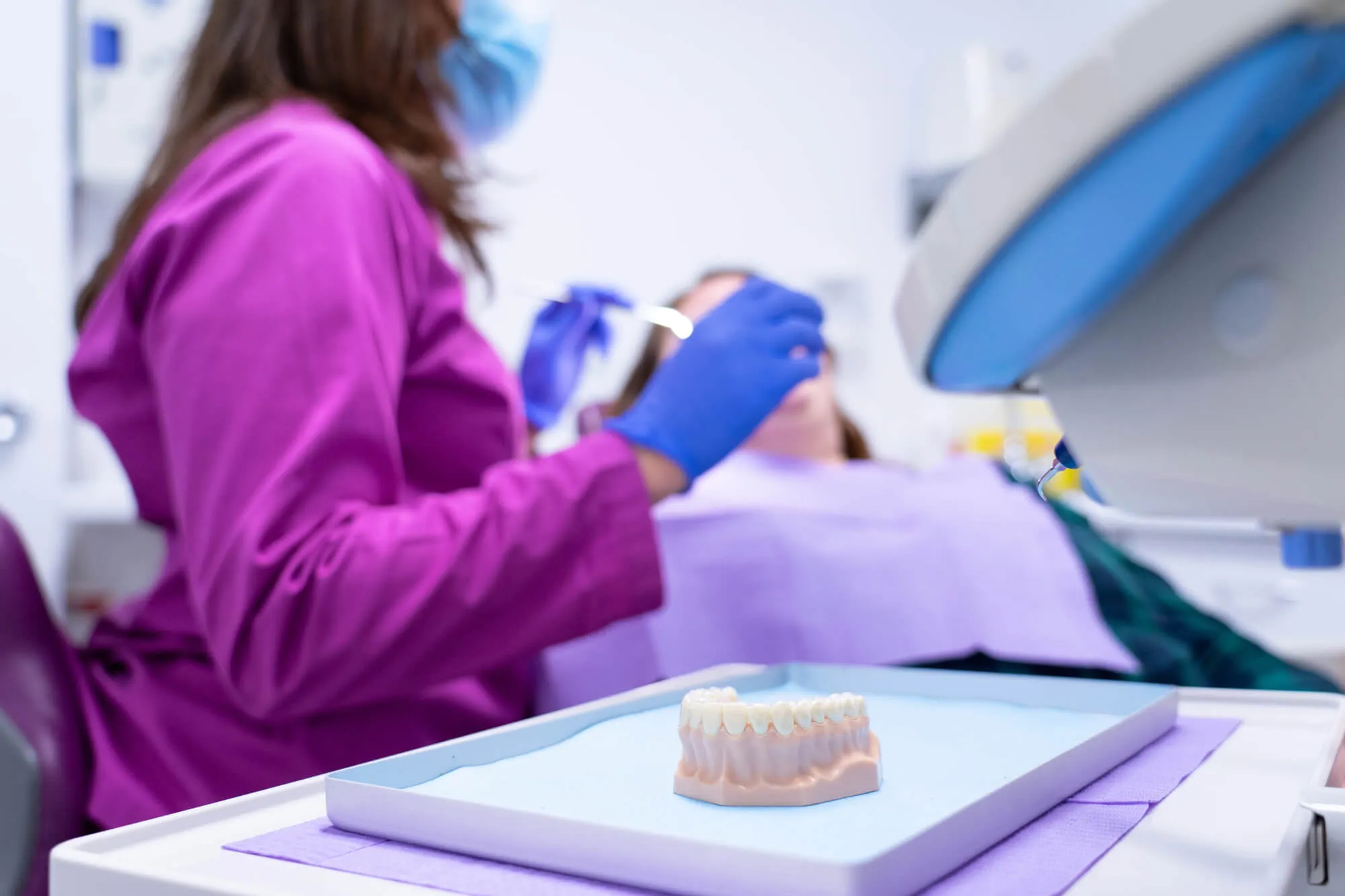
A toothache may seem to point to one obvious problem, but the source is not always where you feel it. Sensitivity, bleeding gums, worn teeth, and jaw discomfort can also have several possible causes.
A dentist in Collegeville, PA, considers your symptoms alongside examination findings, dental images, health history, and personal goals before recommending care. Looking at the full picture helps distinguish between changes that need monitoring, preventive support, or another form of dental care suited to your current oral health needs.

Dental recommendations begin with gathering information rather than immediately choosing a procedure. Your dentist combines what you report with clinical findings to identify the source of a concern and determine whether care is needed now.
Your dentist may ask when the symptom began, what triggers it, and whether it has changed. For example, brief sensitivity to cold may have a different cause from pain that lingers after the cold source is gone.
Your medical history matters, too. Health conditions, medications, allergies, pregnancy, and tobacco use can affect the mouth or influence which procedures may be appropriate. Previous dental experiences can help the team plan a more comfortable appointment, especially if you feel anxious about dental care.
During the clinical examination, the dentist checks each tooth for decay, cracks, wear, and damaged restorations. They also examine your gums for redness, bleeding, recession, and changes in the spaces around your teeth.
Your bite and jaw movement may be assessed if you report headaches, tooth wear, clicking, or discomfort while chewing. An oral cancer examination may be performed to check the lips, tongue, cheeks, throat, and other soft tissues for unusual changes.
Some problems develop beneath the gums or inside a tooth, where they cannot be seen during a visual examination. Digital X-rays can provide information about the tooth roots, supporting bone, decay between teeth, and the condition of existing restorations.
Dental images are recommended according to clinical need. Your age, oral health, symptoms, cavity risk, and previous images help determine whether new X-rays may provide useful information.
A dental concern may have several possible approaches. A small area of early enamel weakening may only need monitoring and preventive support, while a cavity that has progressed farther into the tooth may require a filling. A heavily damaged tooth may need a crown, depending on how much healthy structure remains.
The dentist also considers the expected benefits, limitations, timing, cost, and your preferences. Asking questions can help you know why an option has been recommended and what may happen if care is delayed.
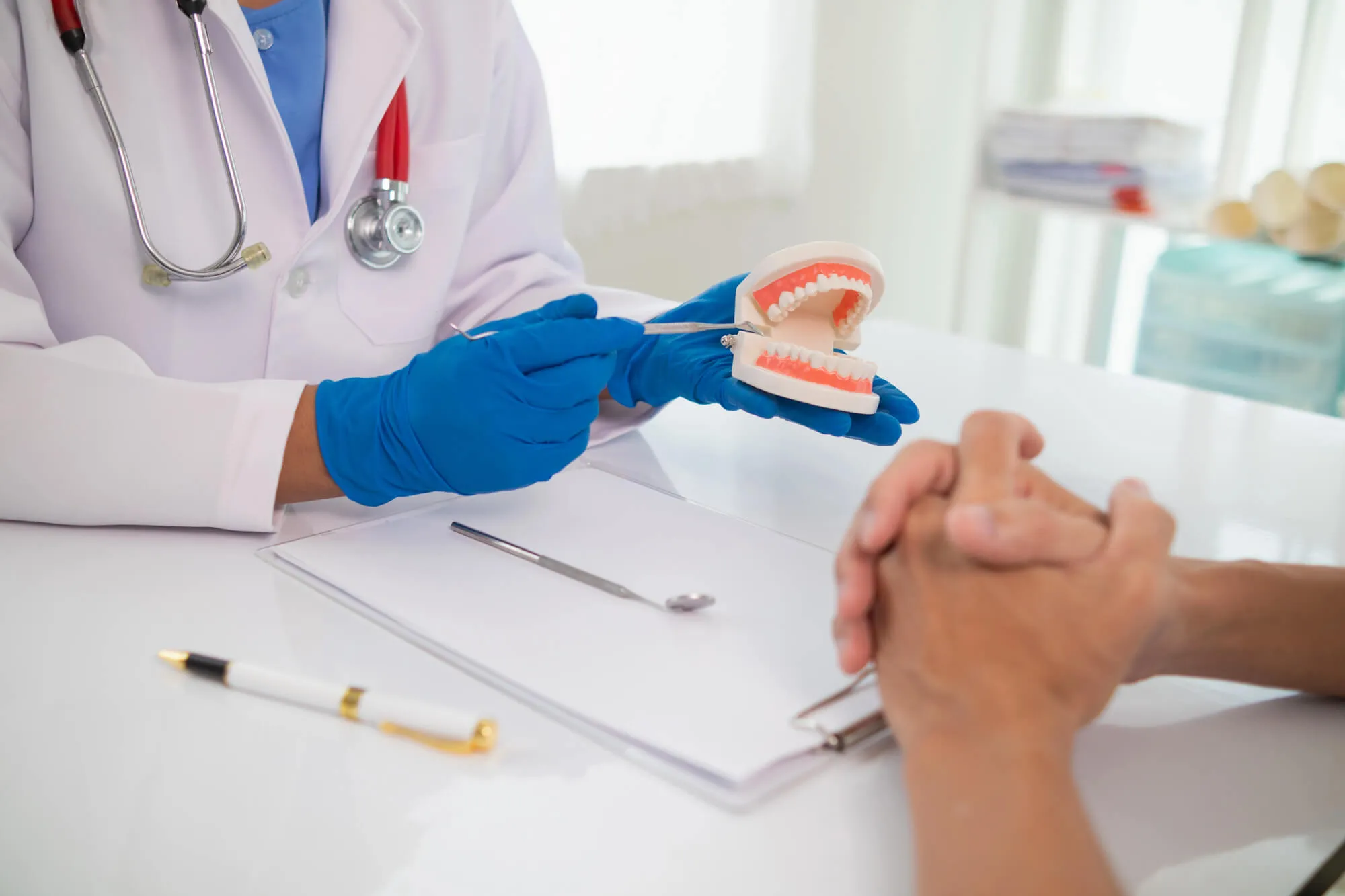
Dental care should reflect what is happening in your mouth rather than following the same plan for every person. A thorough evaluation gives your dentist the information needed to recommend care that supports comfort, function, and long-term oral health.
Collegeville Dental Center provides general and family dentistry in a welcoming environment for children, adults, and seniors. Dr. Tamara Volkova and the team focus on attentive care, clear explanations, and recommendations tailored to each patient’s needs. Contact the office to arrange an evaluation and discuss any symptoms or changes you have noticed.